What does a trust-wide commitment to ‘relationship-centred practice' look like?
The Brigshaw Learning Partnership (BLP) is a special collection of schools in East Leeds, often considered as possessing the ‘perfect’ structural model. It consists of one high school surrounded by six trust-led feeder primaries, all within a short drive of each other. It’s a great starting point.
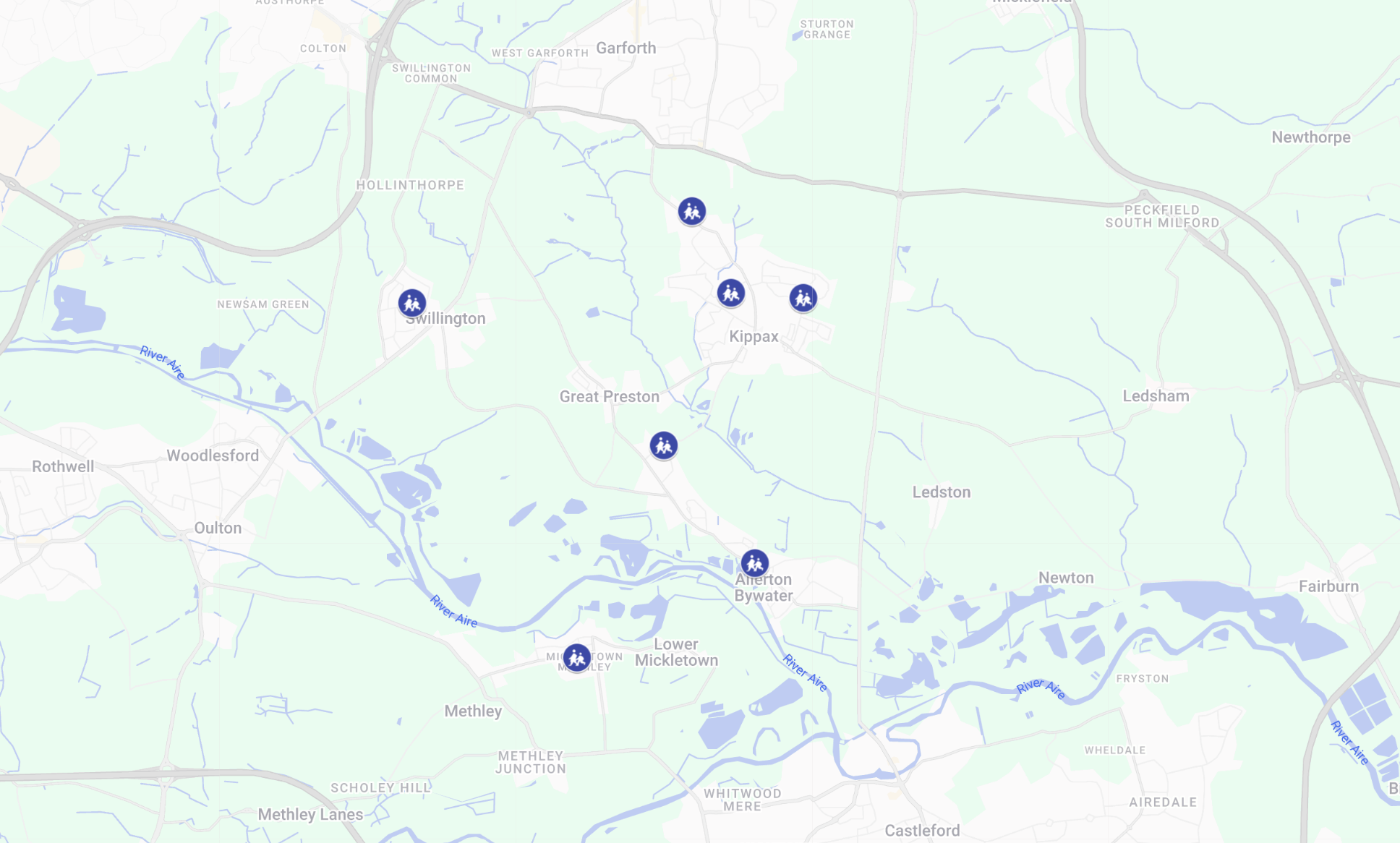
A map showing the location of Brigshaw Learning Partnership’s seven schools
The trust is the biggest employer in the local area, and many staff live in the surrounding villages, bringing direct experience as former pupils, parents, and, sometimes, both. Each community possesses a plethora of local assets, from rugby clubs to parish councils. The opportunity to build on these foundations and create a truly coherent cradle-to-career educational journey for both children and families is immense.
As early joiners to the Cradle-to-Career Partnership, we at The Reach Foundation have worked alongside BLP leaders since 2022. This case study focuses on how relationship-centred practice has been woven into all areas of school life in an intentional and coherent way. Like all schools, those in the BLP have finite time and resources, but they are clearly prioritising three areas:
Finding the bright spots together by building relationships between staff.
Creating blueprints to ensure common sense becomes common practice.
Building a bigger tent.
Finding the bright spots together
The trust provides staff with the opportunity to explore priority areas—such as “Great Teaching” and “Belonging & Relationships”—through Communities of Practice (CoPs). These groups understand where relational practice is currently strong and where there are areas for development. To ensure this work is sustainable for busy leaders, the “Belonging & Relationships” CoP has met half-termly since 2023, establishing a consistent rhythm for reflection and growth.
The Festival of Transition
One area emerging as a real strength was transition. While transition is often a day or a week elsewhere, the BLP identified an existing "Keeping in Touch" day—a well-embedded practice across the trust where Year 6 teachers visit their recently relinquished pupils in Year 7 lessons each October—as a high-leverage asset.
Leaders decided to double down on this strength, recognising that while others see transition as an event, it requires a year’s worth of preparation to get it right. These insights gave rise to the “Festival of Transition”—a fortnight of activity dedicated to ensuring all children, families, and staff have a smooth experience transitioning between Years 6 and 7.
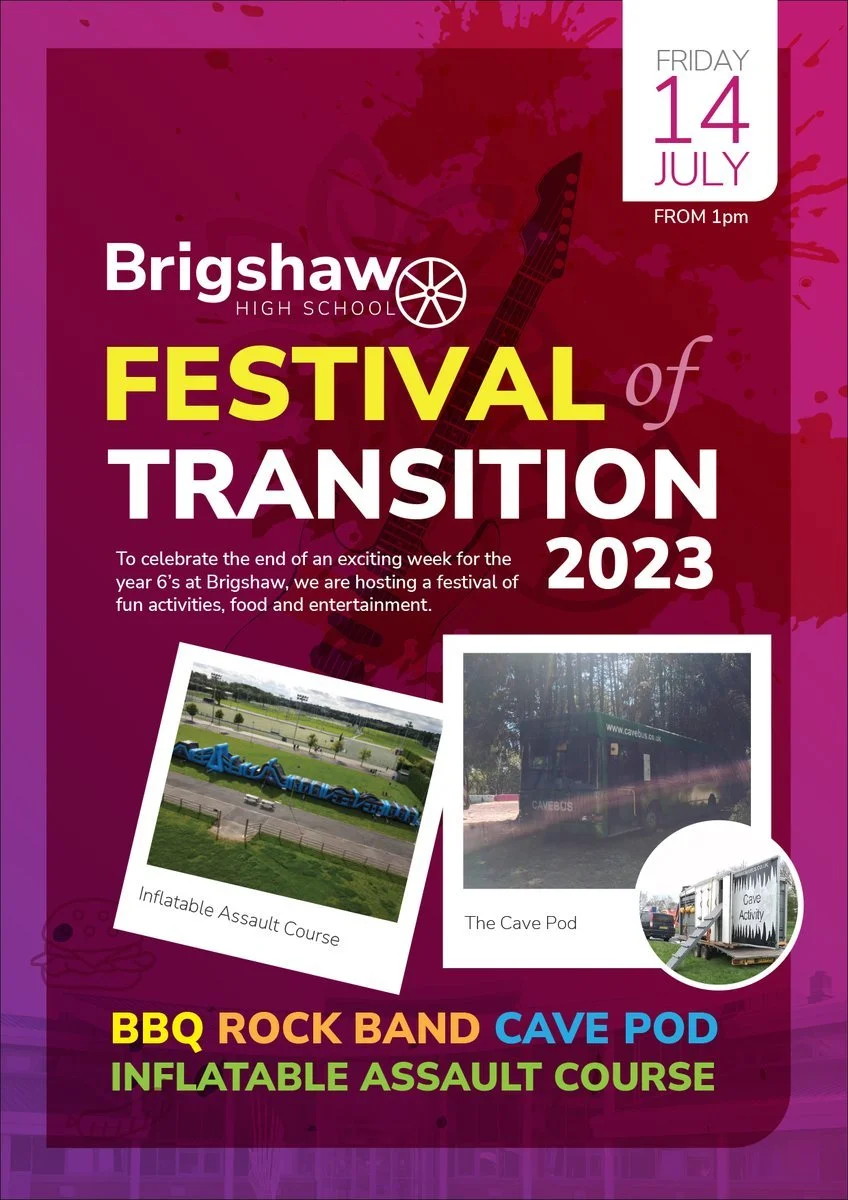
A poster for BLP’s 2023 “Festival of Transition”
The impact has been impressive, leading to better attendance and behaviour in Year 7, a more coherent curriculum offer, and positive feedback from parents—particularly those of children with SEND.
Ripple effects
Providing CoP members with meaningful time and permission to innovate together has been a key enabler. This early success encouraged other CoPs to follow suit.
In July 2025, the “Early Years” CoP launched “Brigshaw Beginnings,” a community transition event for over 100 families with children starting nursery or reception; held at Brigshaw High School—a venue chosen for both practical and strategic reasons—to tee up the longevity of the relationship between the families and the trust.
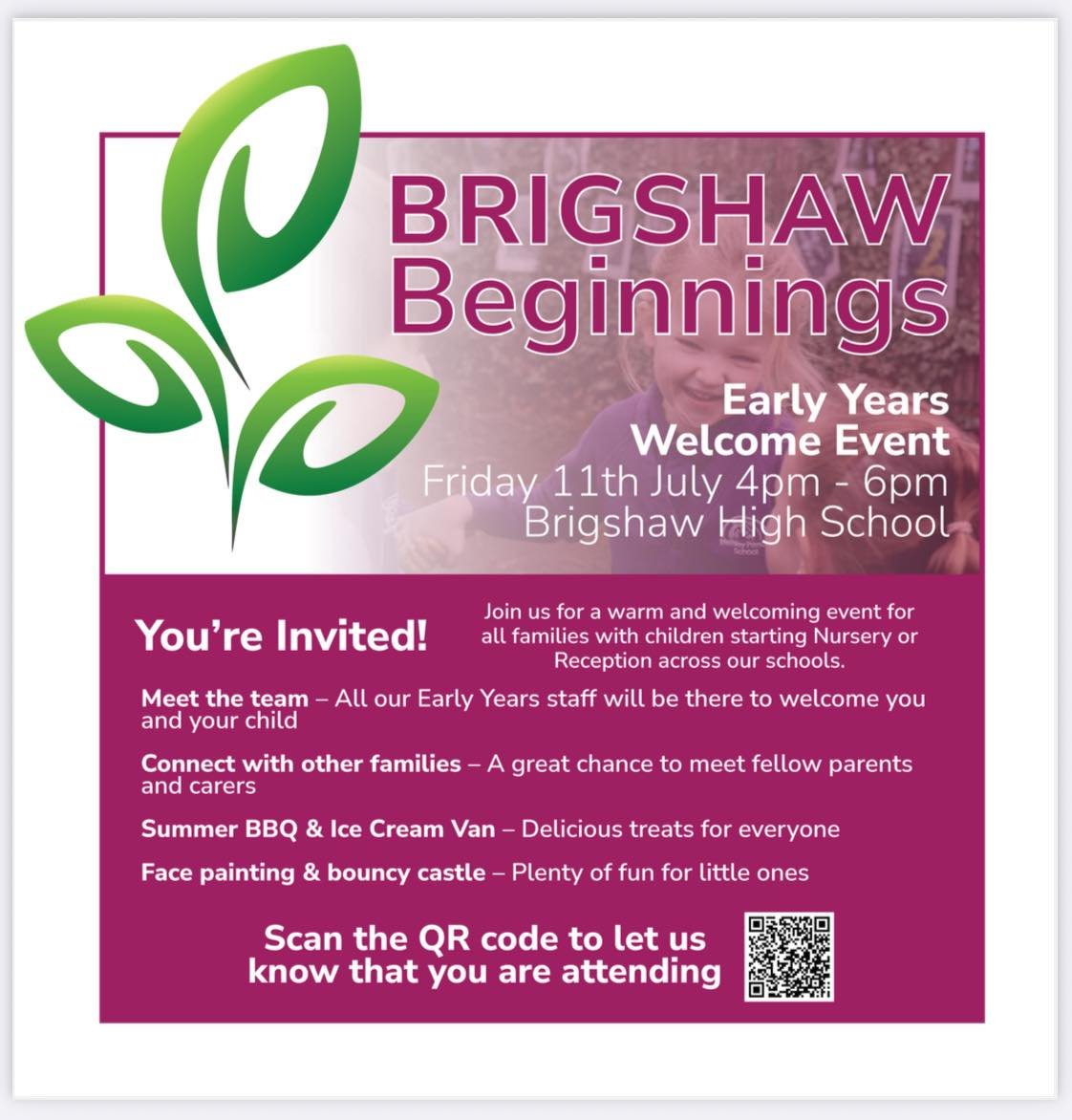
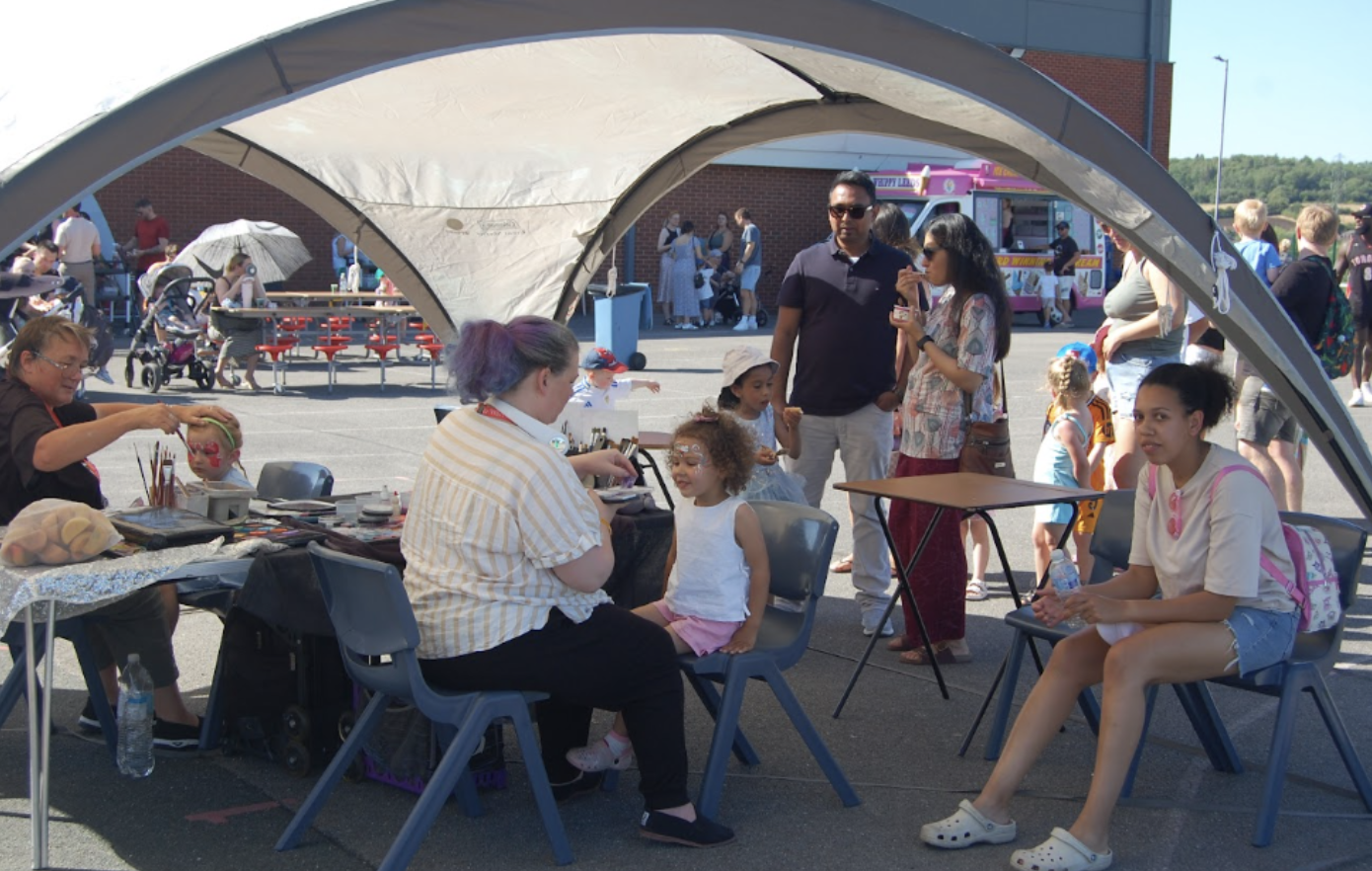
‘We had an ice cream van, bouncy castle, BBQ and face painting. The ice cream was needed as it was the hottest day of the year! But it was an amazing opportunity to bring our families together, for families to start to make relationships with each other, for children to start to form bonds and friendships with peers and for staff to welcome new families in a relaxed, informal setting.’ (Hannah Dickinson, Early Years Lead).
‘Overall, my husband and I are feeling incredibly lucky to have this wonderful trust surrounding us with so many primary schools. Staff across all schools say wonderful things about each other, and there's a real sense of community with the trust working in unison with all the schools and parents, but allowing that freedom to be bespoke and approach teaching and learning in a way they feel works best for their cohort of children. Every school offers wonderful opportunities for children, from “Rocksteady” lessons to forest schools and outdoor learning opportunities. It's making it incredibly hard to order preferences! I think the opportunities for schools to come together are lovely, from your early years meet up in the summer at Brigshaw High School to sports events together. We're excited for our son to start his primary school and can't wait to see how he flourishes within the trust. (Parent)
Creating blueprints
A core challenge identified by many of our partners is that, as a profession, we haven’t been as rigorous about relationship-centred practice as we have been about curriculum and pedagogy.
Without a shared understanding of what ‘good’ looks like, it is neither possible nor fair to expect children, families, or staff to meet those standards. Treading carefully so as not to codify the authenticity out of connection, the BLP has been quietly co-creating an impressive ‘blueprint’ for relationships.
Strengthening relationships with and between children
Schools are hives of activity where every moment has the potential to build or break connections. Brigshaw High School is no different.
Student-led safety:
The school’s “Not in Our School” anti-bullying campaign grew from a collaboration between students following training from the Samaritans. Student ambassadors are now empowered to call out behaviours that will not be tolerated. The student perspective on this work is unanimous. Anastasia, a student in Year 8, explained that staff ensure everyone feels safe and that when students report concerns, they are guaranteed to be sorted out. This commitment was recently celebrated when Brigshaw High School achieved the Silver Anti-Bullying Award.
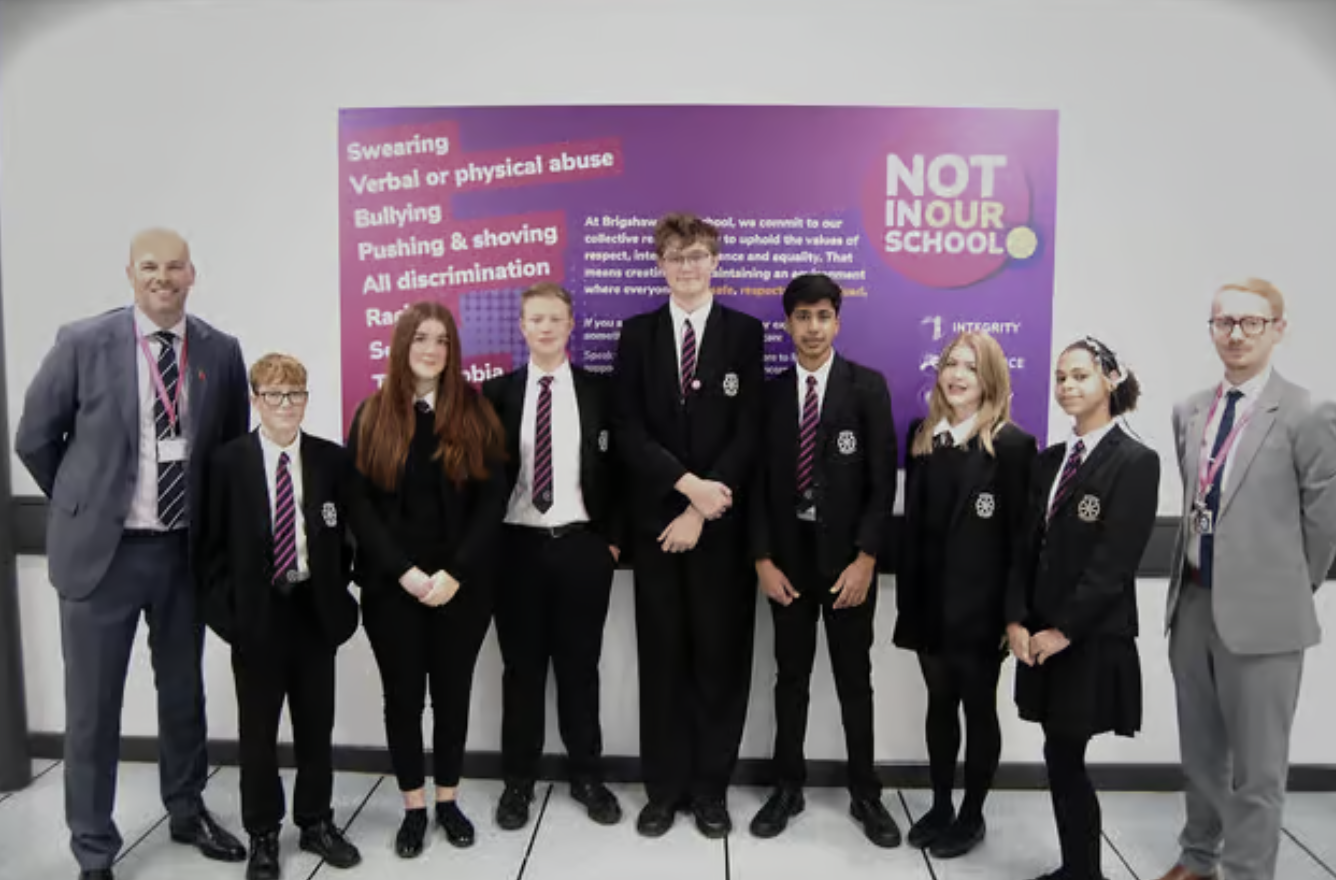
Brigshaw High School has been awarded the prestigious Silver Anti-Bullying Quality Mark. [via Yorkshire Evening Post]
Magic moments:
Furthermore, all schools in the trust are creating “magic moments”—structured, routine ways for children and staff to interact positively. The “Greatness Desk” at the High School, for instance, provides a dedicated space where students can celebrate and discuss successful work with staff, and receive a reward message home.
Strengthening relationships with families
Within our cradle-to-career relationships thread, we invite all partners to plot their interactions with families on an “intentionality grid” (like that pictured below).
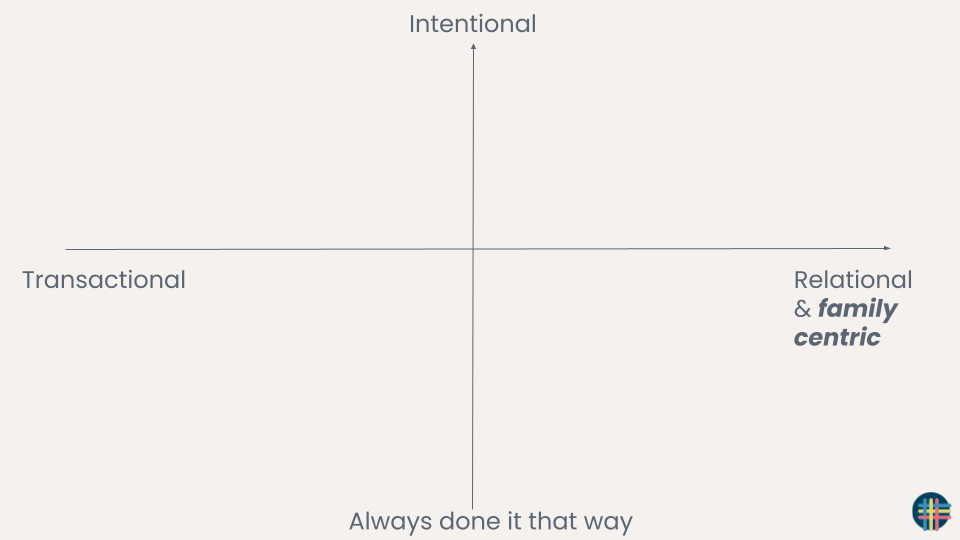
Whether it’s home visits, phone calls, coffee mornings or parents’ evenings, many events fall short of being in the top-right quadrant of dreams. To move beyond the more traditional, transactional interactions, leaders across BLP are working to ensure their events are more intentional and family-centric in the following ways.
Home visits:
In the early years, every child receives a home visit to get relationships right from the start. Early Years Lead, Hannah Dickinson, has this to say:
‘Even before the children start with us we prioritise home visits for every child…. Getting those relationships right from the start sets schools up to grow that relationship, working together—the Early Years team are the people to do that. We map out a really careful transition road map to support our youngest learners to ensure they have a smooth journey into our schools.’
But these home visits are just one tool in the belt of a BLP practitioner when it comes to intentionally building powerful partnerships with families.
“What to do” guides:
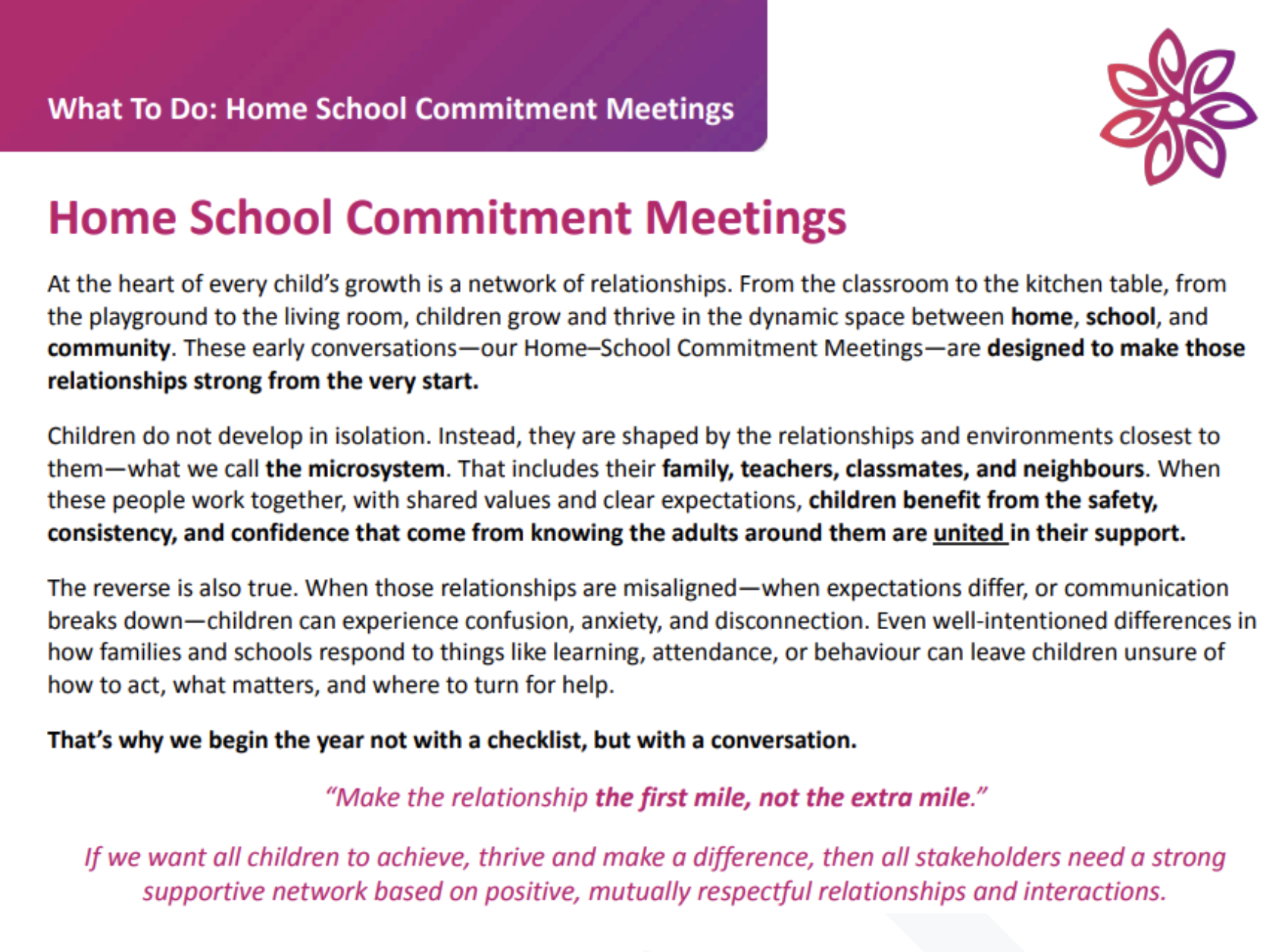
Leaders have produced written and video guidance for important touchpoints, such as their “home-school commitment meetings” to help staff make the relationship “the first mile, not the extra mile”. Together, these documents spotlight the intentional moments and activities designed to build connection between children and staff. They examine the school experience from the family’s point of view. And they make explicit the implicit, tacit knowledge held by so many practitioners in an attempt to “bottle the magic” of those “child/parent-whisperers” in our profession to ensure all staff can develop a “growth mindset” about their own relationship-centred practice.

Professional development
Developing, testing, and launching a blueprint should not be a one-time “INSET day special”, never to be mentioned again. For cultural shifts like these to take root, a phased approach to implementation is essential, ensuring the blueprint moves from a vision on a page to a practical, lived tool for staff. Without carefully designed professional development that builds both knowledge and confidence, it is neither possible nor fair to expect staff to meet these new standards in their daily interactions. A phased approach to implementation is underway at BLP, and where better to start than with the unsung heroes of relationship-centred practice in every school?
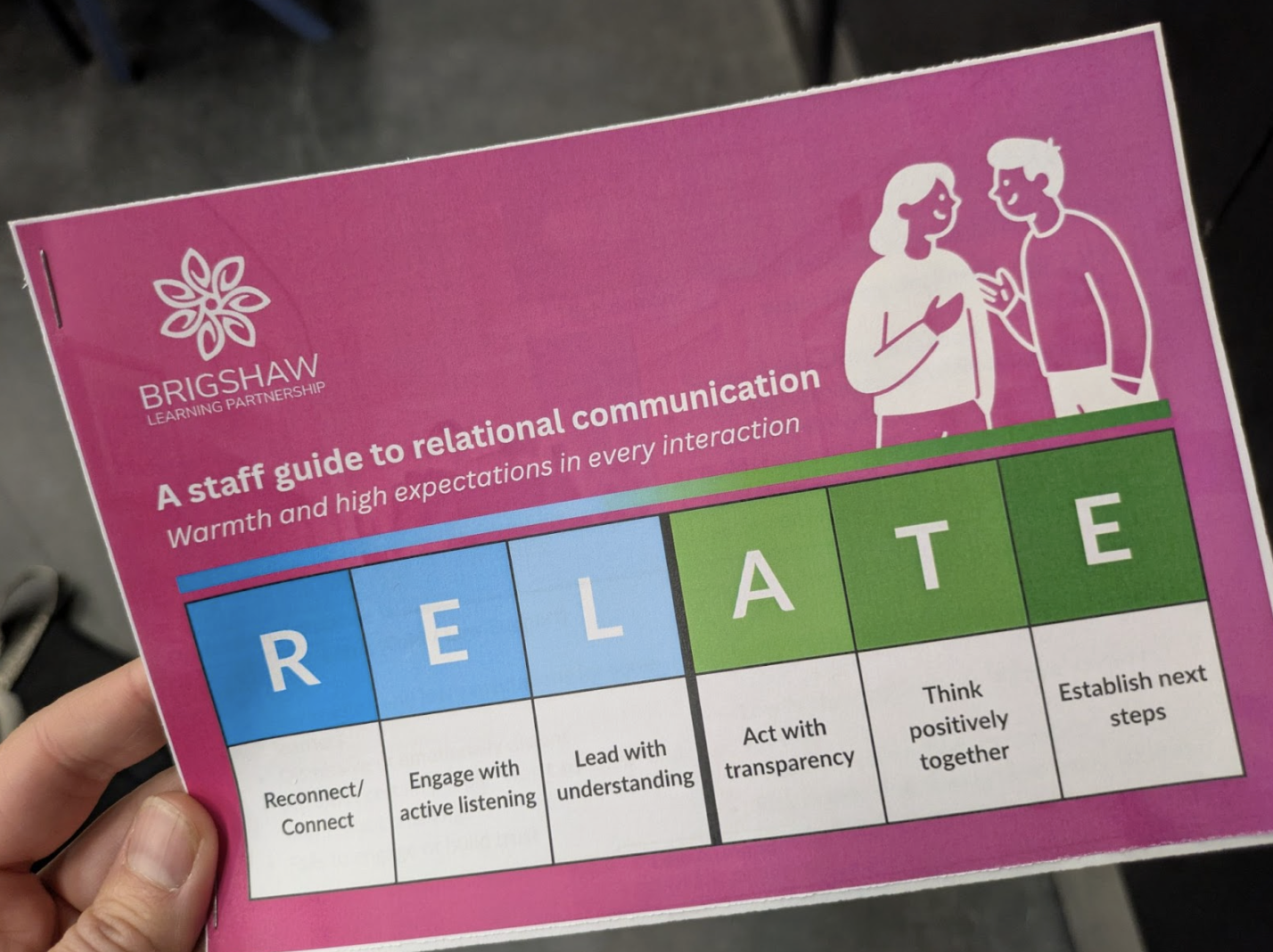
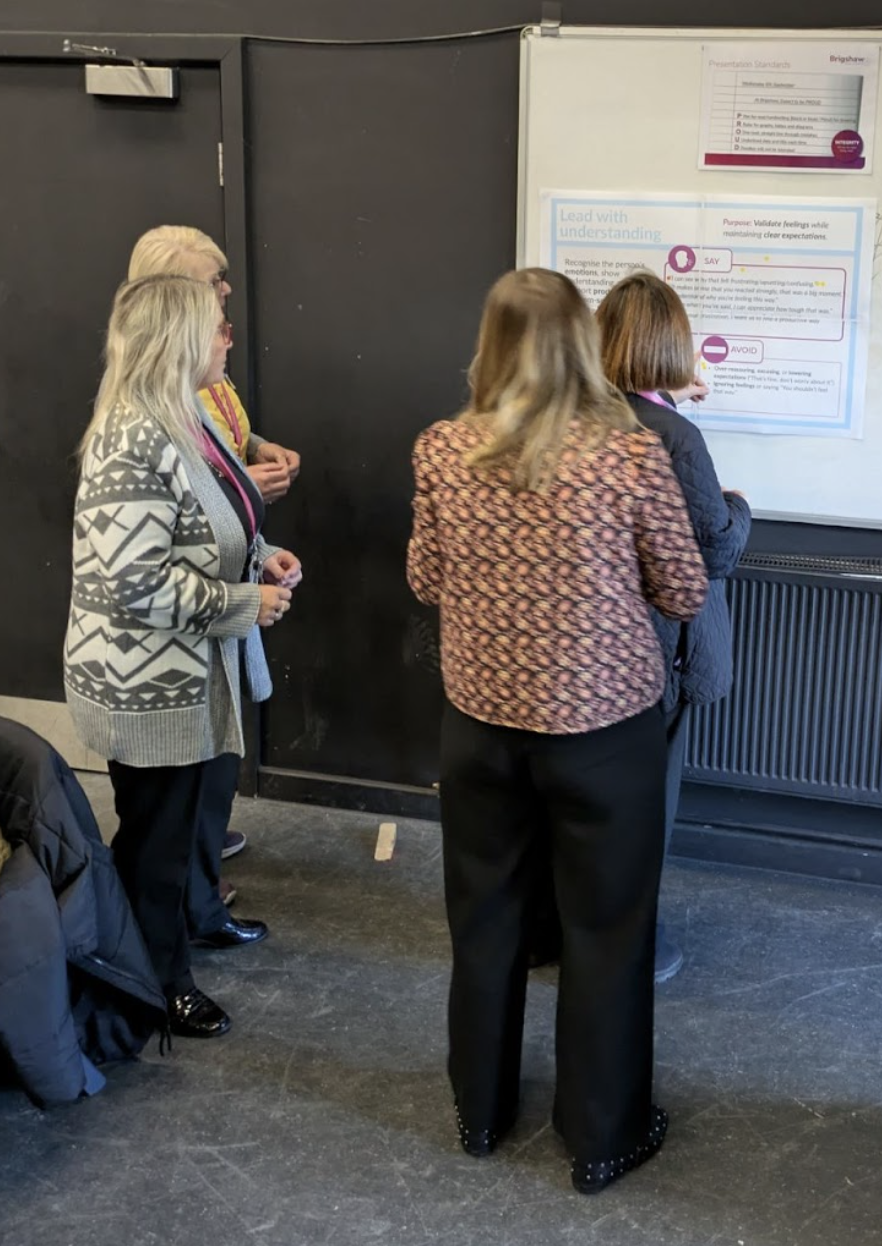
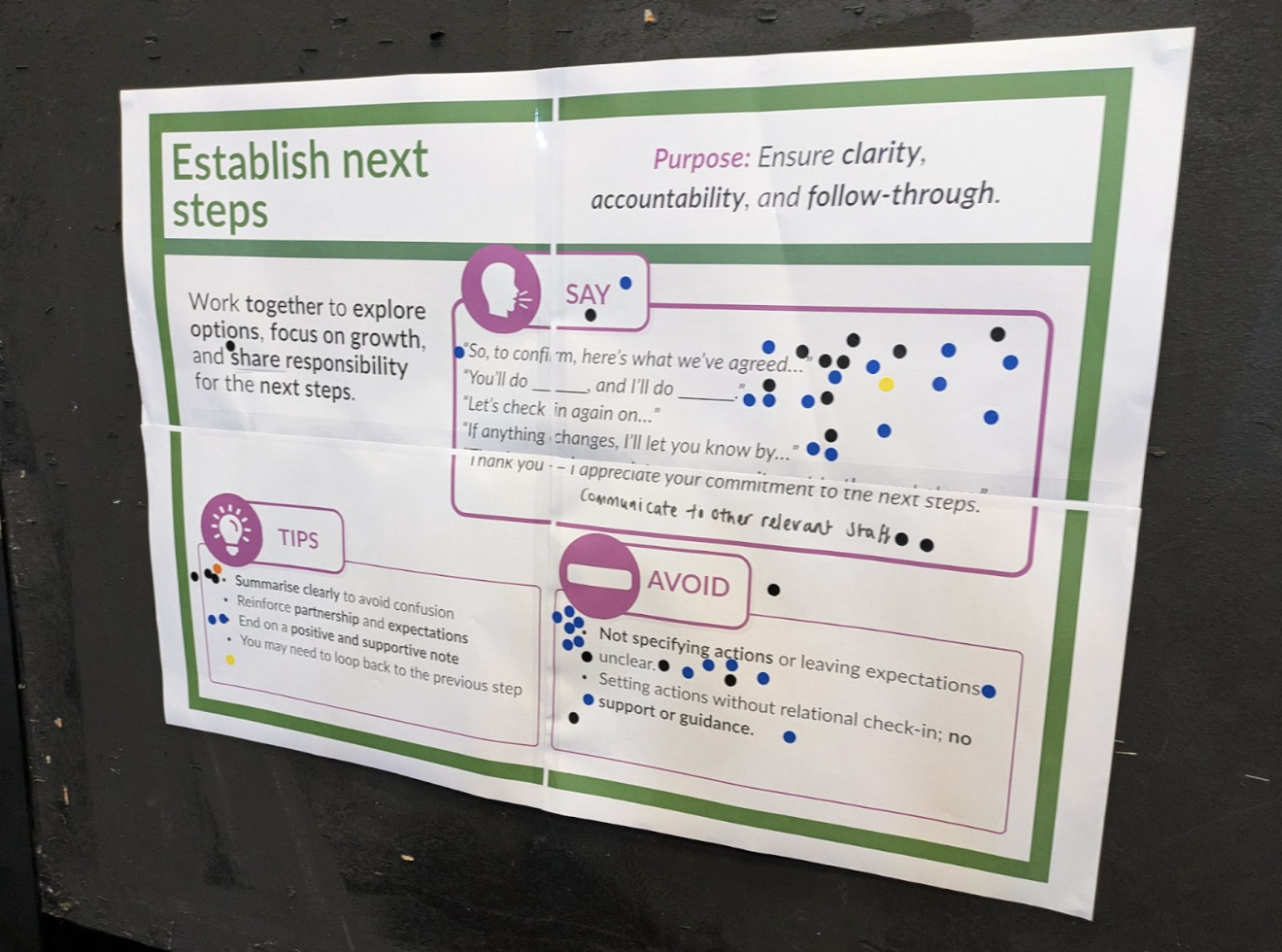
In November, teaching assistants, pastoral teams, and admin staff took part in a three-hour session trialling the new ‘RELATE’ model. The training utilised research-led mechanisms to ensure the messages stuck: building knowledge in chunked ways, motivating staff through positive shout-outs, and deliberate practice through planning upcoming interactions. One staff member noted it was a ‘perfect balance between interactions, practical tasks, and listening’
Building a bigger tent
BLP’s CoPs are also looking outwards to ensure the trust acts as a genuine community anchor.
Early Years expansion:
Having been awarded a DfE school based nursery grant, the trust has expanded its intake at two nursery settings, and is in the process of applying for three more to meet local community demand for high-quality childcare.
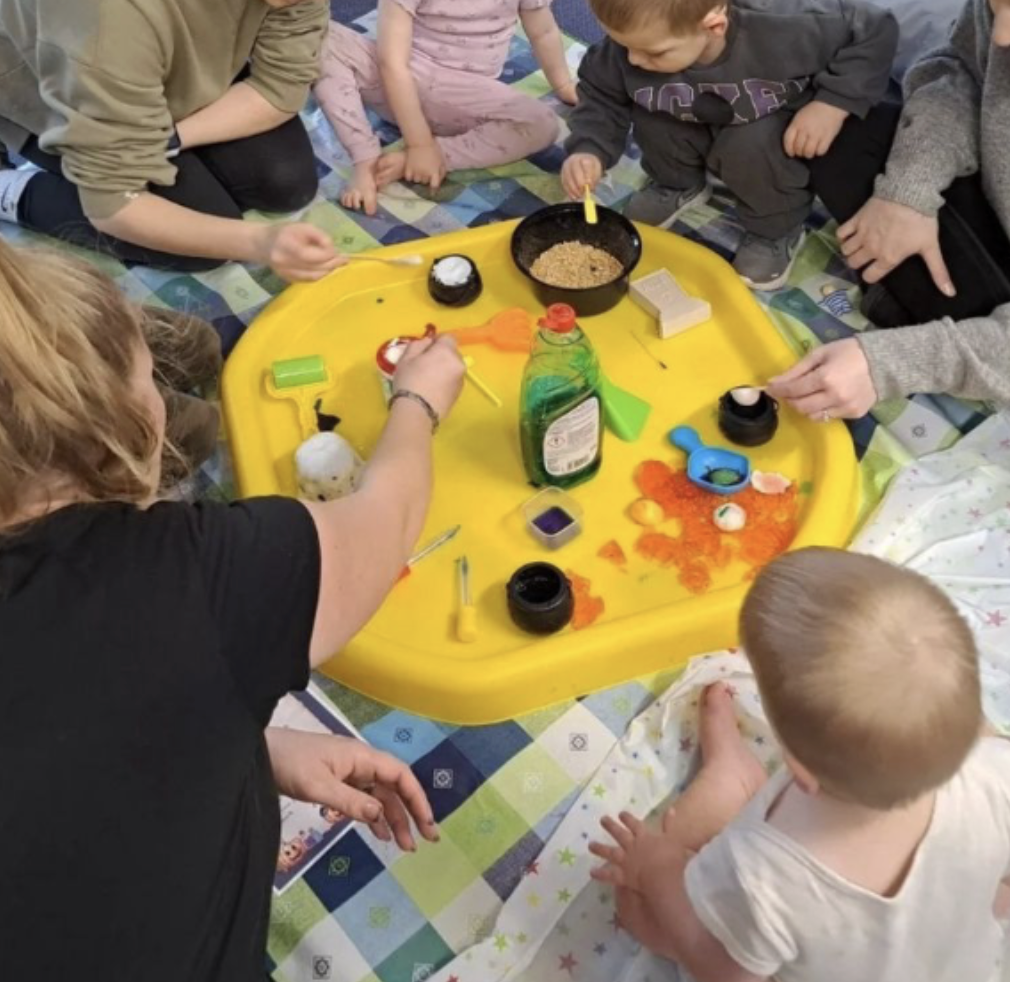
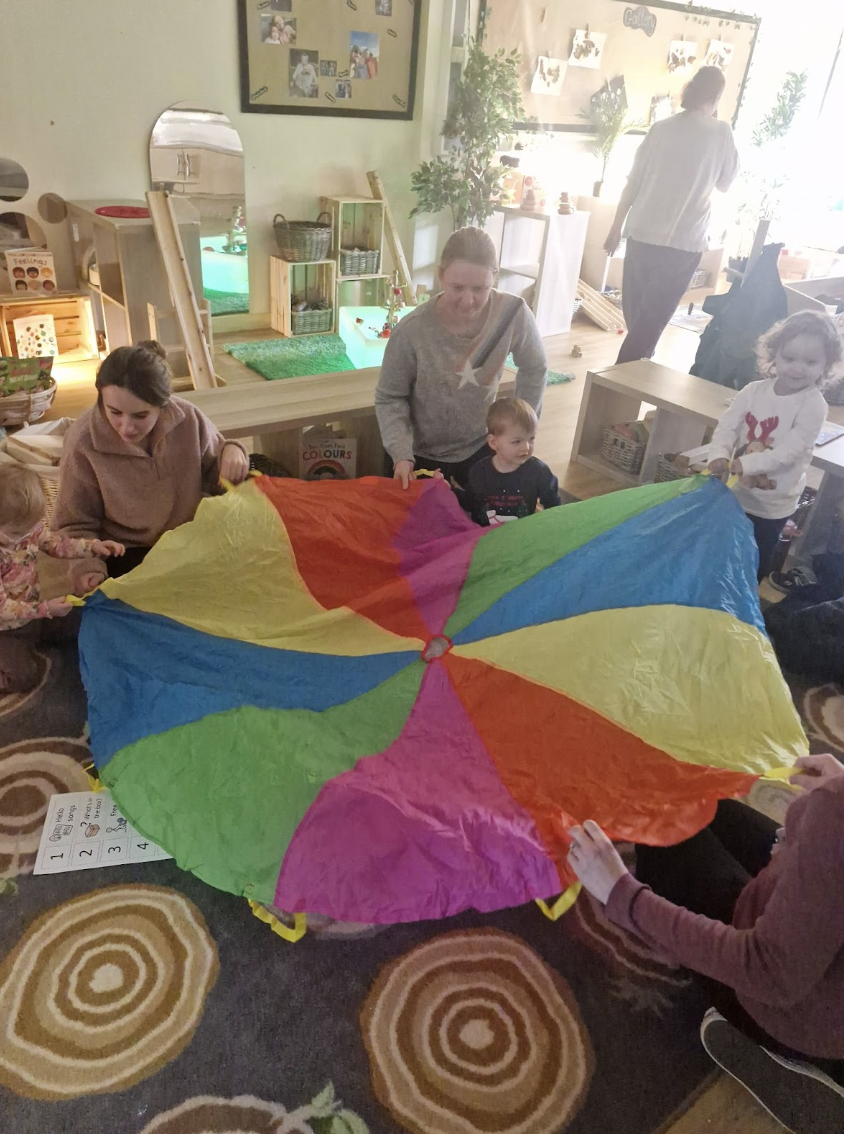
In recent years, Hannah has strengthened the trust’s partnership with its SALT provider (The Yorkshire Speechie), leveraging the team's expertise to deliver communication and language groups for children aged 0-2 years in BLP primary schools.
Workforce development:
Facing recruitment challenges, the trust’s Initial Teacher Training (ITT) programme is enabling them to develop teachers who share their values. By intentionally recruiting local parents and/or alumni who already understand the community context, the trust builds a workforce with a deep, earned truth about the area. Here’s Carys Davis, Director of ITT:
‘Facing increasing recruitment challenges, we recognised that a relationships-centred culture had to also shape how we build our workforce. Our teacher training programme was born from that belief, enabling us to develop teachers who share our values and are keen to make a difference in our local community. As parents of existing students or alumni of our schools, many of our trainee teachers are people who already understand the context of our schools and our community.’
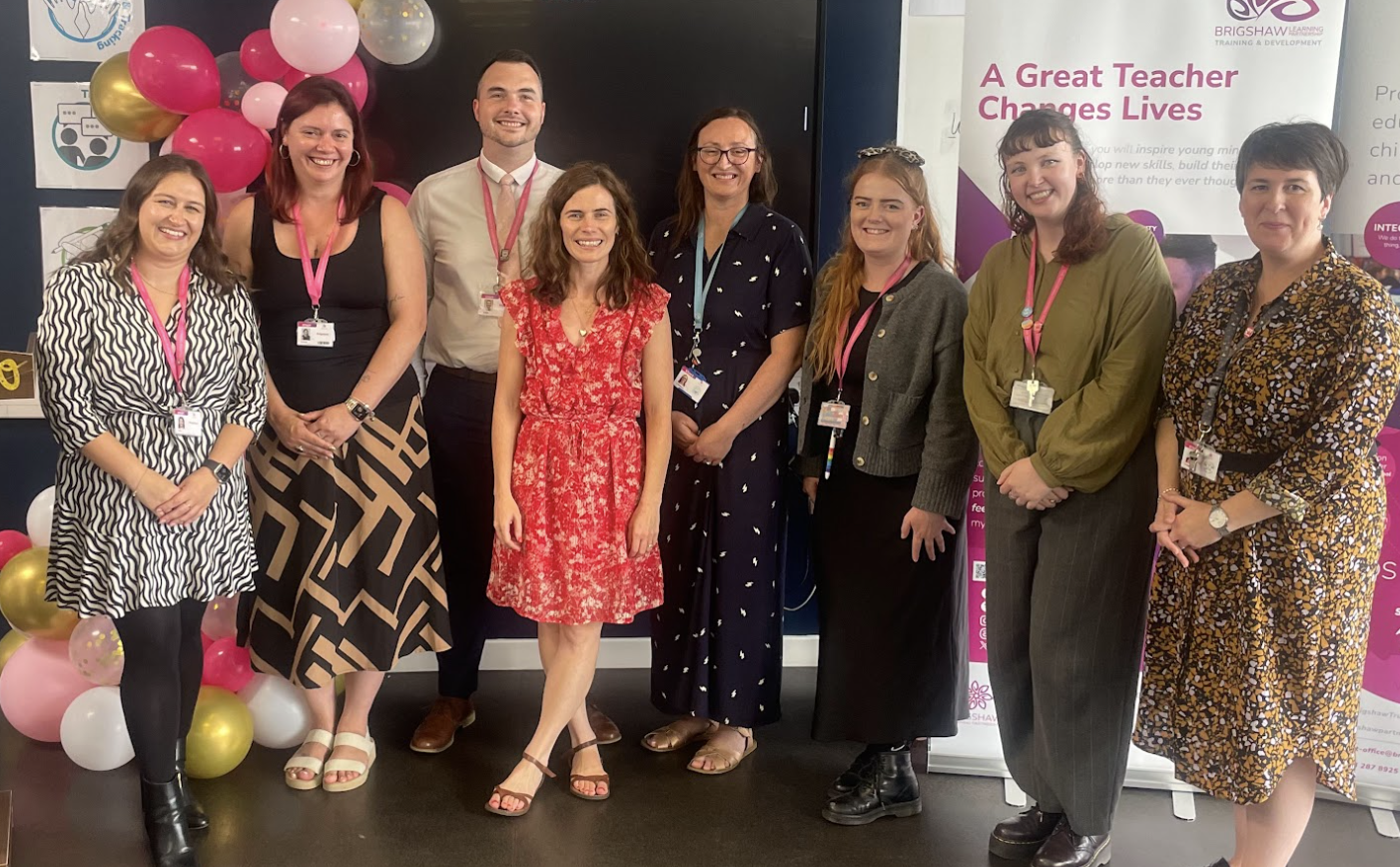
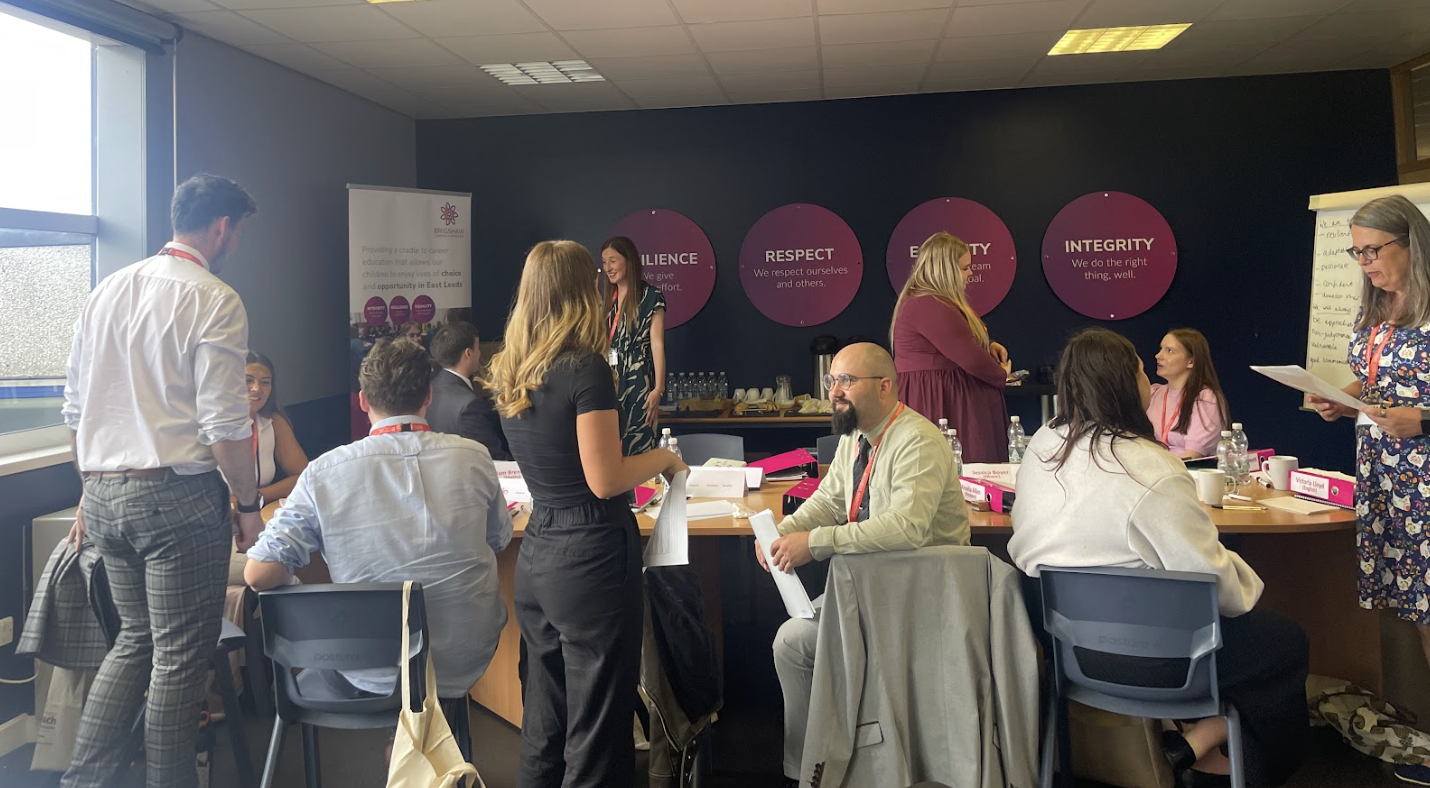
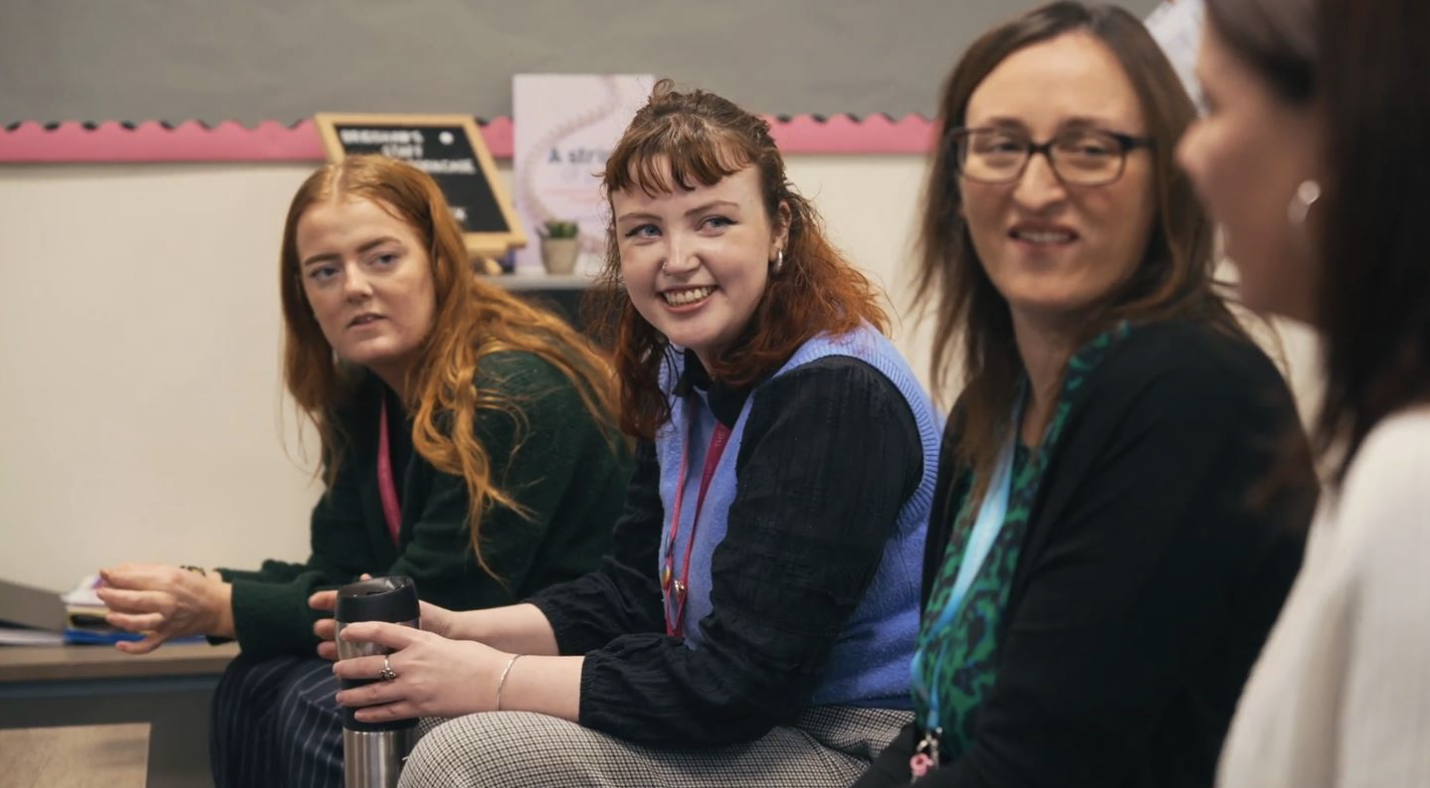
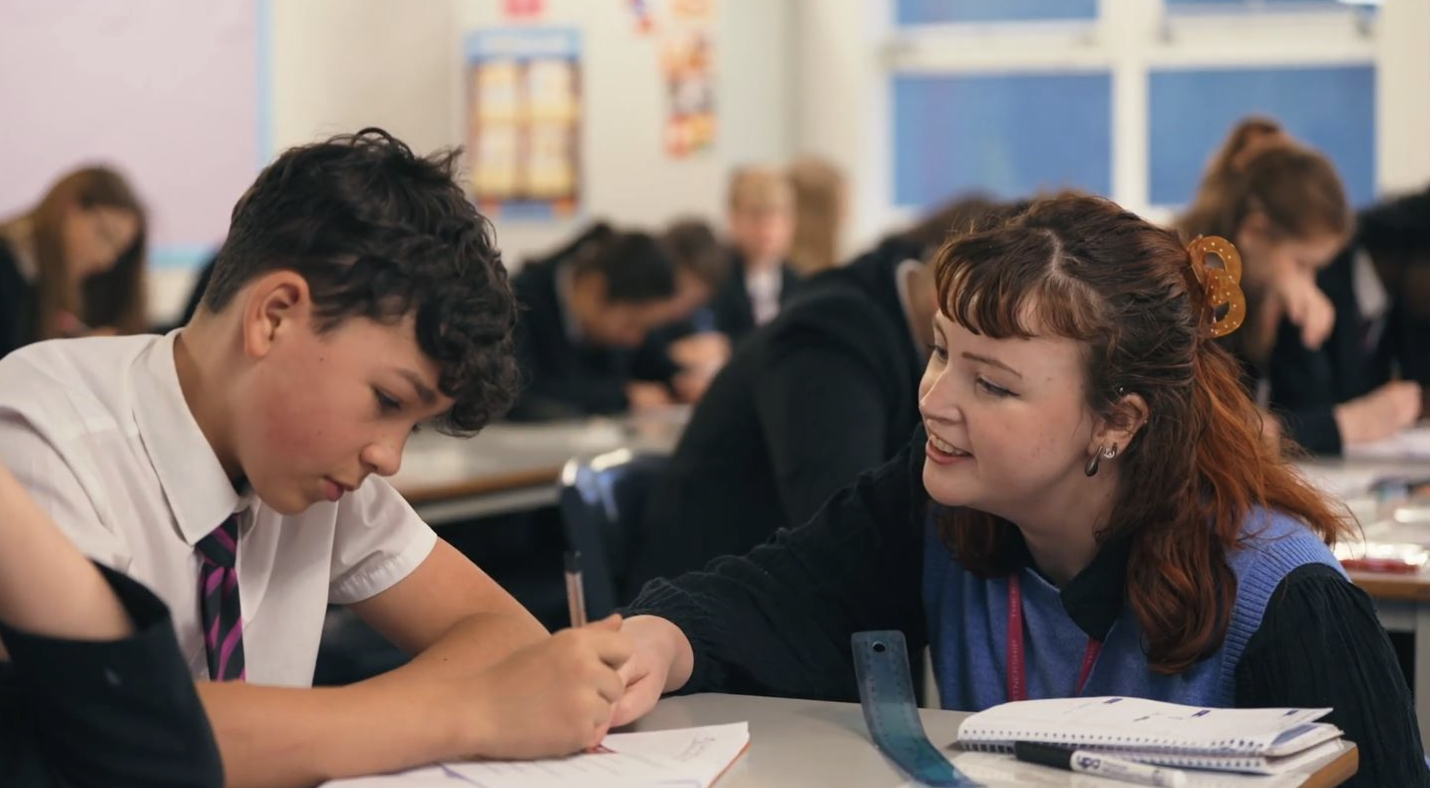
Relationship-centred practice is at the heart of their programme, from the approach to mentoring and instructional coaching to the weekly training sessions that ensure trainees feel part of the trust from day one.
‘You're part of a small cohort at Brigshaw, which really means you feel like a part of the Brigshaw family from day 1—not a small fish in a big pond.’ (Joseph, Maths Trainee Teacher)
‘My own children are at a trust school and what appealed to me was the ethos of local people from the community teaching the next generation.’ (Victoria, Primary Trainee Teacher)
Community breakfasts:
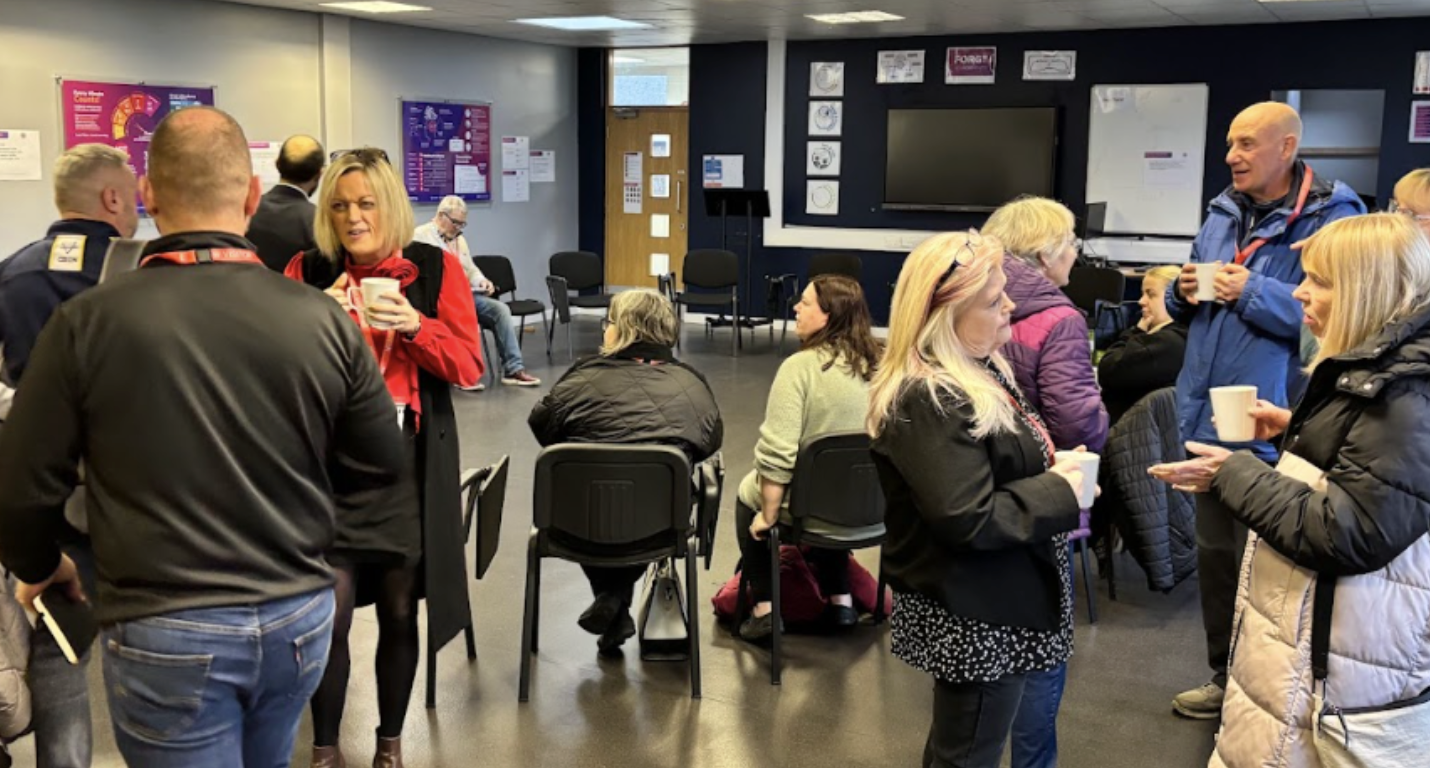
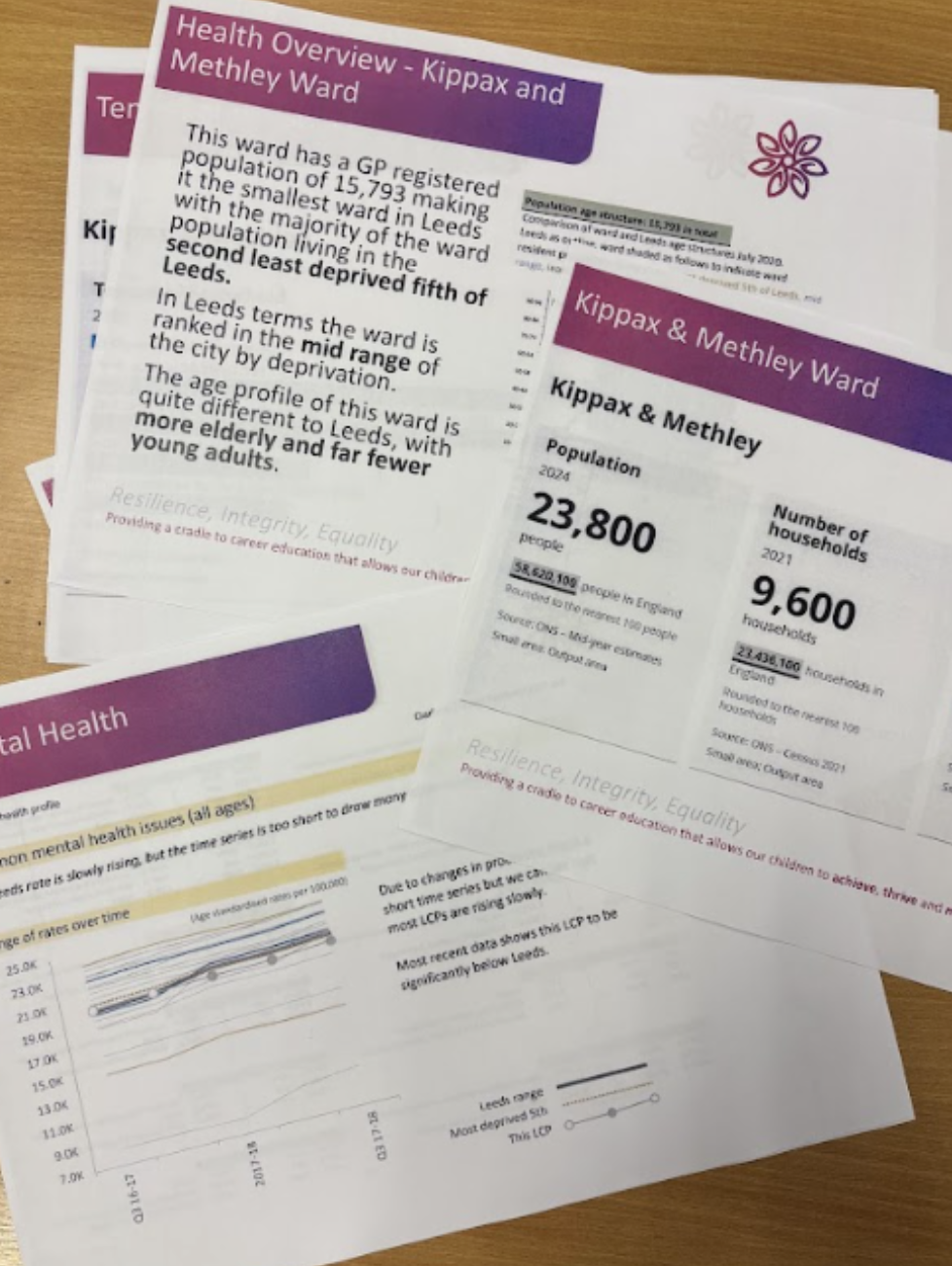
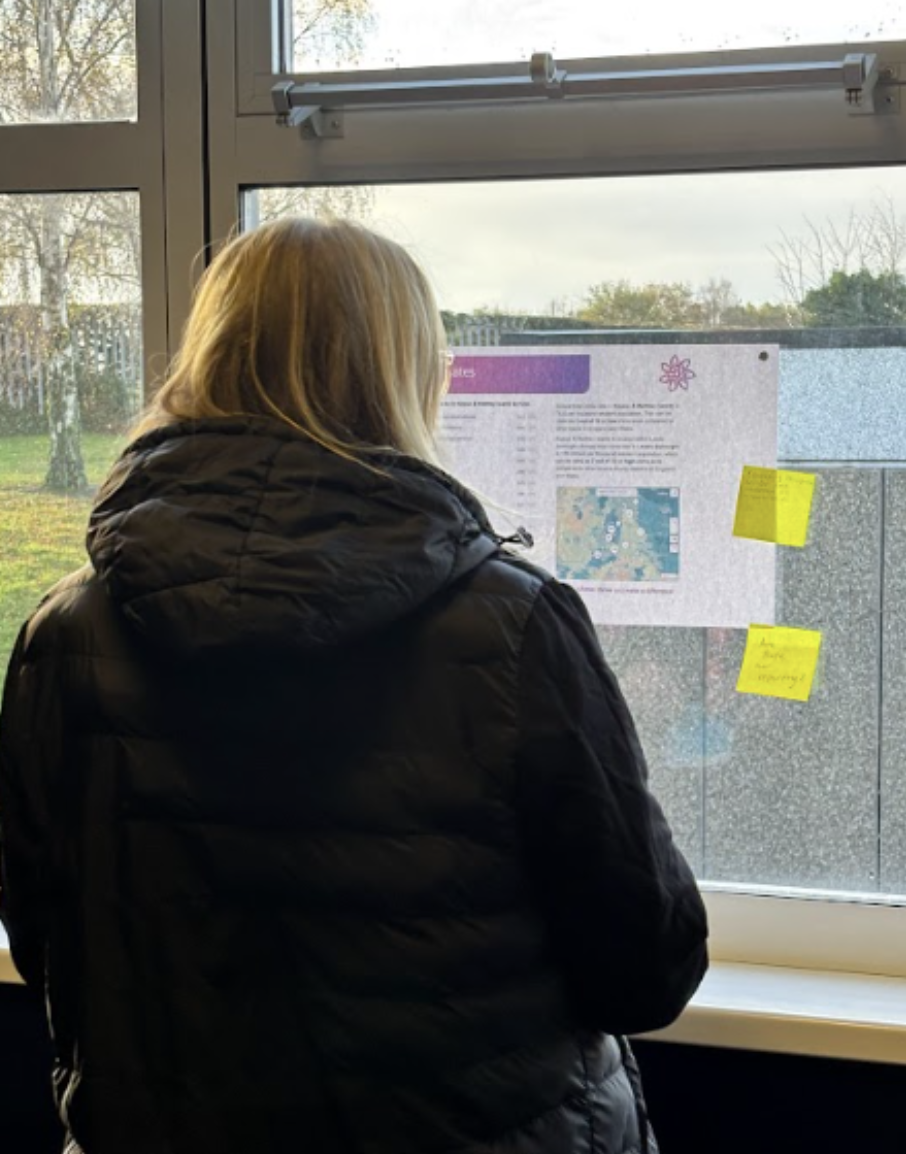
The “Belonging & Relationships” CoP convenes local leaders—from councillors to rugby club leads—to align assets around shared challenges. These sessions use “data walks” to build energy around facts and figures, while identifying windows of opportunity for change.
Dedicated leadership:
The appointment of Emma Jackson—a long-term resident and parent—as Communications & Community Manager has been crucial in getting to grips with this outward-facing work.
What’s next?
It is an exciting time to be attending a school in the Brigshaw Learning Partnership, but also to be a member of that community. Whilst we, at The Reach Foundation, are thrilled to have been able to catalyse some of this work, we also recognise that many of the behaviours and values underpinning it were present long before anyone uttered the phrase ‘cradle-to-career’.
It is often the case with partners that their engagement with us offers the permission to reflect on all that currently happens and then to build on those strong foundations in an intentional and strategic way. It is also worth noting here that the beauty of a cradle-to-career model is that it is necessarily shaped by the biggest asset available to organisations: people.
As such, there is no ‘one-size fits all’ and therefore we are always keen to hear from all of our partners, from wherever they hail—so please don’t hesitate to get in touch if you have a story to tell.

by Verity Howorth
Regional Director for Yorkshire & the North East
The Reach Foundation